
Forging a Technology Vision for Your District
Dr. Tamara Willis (Superintendent, Susquehanna Township School District, PA)
Dr. Willis explores the superintendent's role in creating a culture of innovation in the district.
First time reading? Learn more about Education Reinventors here.
Dr. Tamara Willis, superintendent of Pennsylvania’s Susquehanna Township School District, believes in the power and potential of technology to transform learning. As superintendent, she also believes it is her responsibility to craft and communicate a compelling technology vision. Her goal is for her district to remain a leader in innovation and effectively prepare students for the future.
Learn more about Tamara and her district on LinkedIn.
This interview has been edited for length and clarity.
connect

Why is it important for a superintendent to forge a technology vision?
To truly prepare learners to thrive in a global economy, digital learning tools need to be strategically integrated across the entire educational journey. As a superintendent, I believe I’m charged with graduating young people who are not only prepared to engage with these technologies, but to expand on them as well.
Technology has revolutionized the classroom, especially during the pandemic, so it behooves us to stay ahead of the curve.
One way I believe we can push this vision forward is establishing a culture of digital learning, and that comes from the superintendent level. We need to make sure this is a district-wide priority, and it’s the job of the superintendent to bring that vision to life.
What does that work look like? How can superintendents lead with technology as a focus and not just an afterthought?
It needs to be aligned in your strategic plan. At Susquehanna Township, technology is front and center. It’s one of our core values - the idea that our district will be a leader in innovation and technology. As superintendent, I’m constantly pushing this message.
I send out monthly communications where I write about our district’s progress and goals. I write about what technology we’ve purchased and how we plan to use it to improve learning outcomes.
I also spend a lot of time in our school buildings, observing how teachers and students are using new devices and software. I want to see how the technology is being integrated into the learning space and support this work as much as possible.
How did you end up getting interested in education technology?
I am a huge fan of Steve Jobs. His philosophy really resonated with me - the idea of not just building a device that plays music, but building an experience for the user. To me, that’s what education should be. It should be creating an experience for our “user” - students, families, etc. - that gives them what they need. That’s what I believe technology, if used effectively, can allow us to do.
There’s a lot of conversation about what technology should or shouldn’t do. How do you determine where technology can support your goals and priorities, versus where it can’t?
I keep taking it back to our strategic plan and our commitment to being a leader in innovation and technology.
This means we have to remain abreast of technologies in the workforce, which is ultimately what we are preparing our students for. If we believe that a new technology will enhance our students’ competitive edge after graduation, we will find a way to start using it in our schools. We don’t just go after a technology because it’s the hot new thing.
So how do you integrate new and emerging technologies into day-to-day instruction?
First, we make sure there are specific technology standards within the curriculum.
Second, we work closely with our teachers before fully adopting any new technology. In fact, teachers frequently contribute ideas when we talk about this culture of digital learning. Let’s say a teacher proposes integrating a new tool into our schools. We’ll work with them to see, “Does it improve learning outcomes? Can it be used outside of your classroom? How will this reinforce ‘21st century skills’?” These conversations are so critical, because implementation ultimately comes down to the teacher.
Can you share some examples of technologies you’ve integrated in your schools?
We provide a blended learning model which allows students to remain home while fully participating in live instruction. We utilize a camera system, powered by HP technology, that enables remote students to actively engage in the learning process alongside peers participating in-person. This also allows learners to maintain connections with peers and teachers, when they are quarantined or out of school for other medical reasons.
Another tool I love is our learning management system (LMS). There are a lot of LMS options out there, but ours has been very helpful for our district. After assessing student performance through diagnostic assessments, we use the data to assign playlists that target learning gaps. Teachers can monitor student performance, engage with parents through the parent dashboard, and assign personalized feedback to learners. Learners build agency, take ownership, and learn to become genuine partners in the learning process.
As superintendent, how do you collaborate with your technology director?
I meet with my director Justin every month. We have a standing meeting where we check in on our progress toward those strategic objectives. What are our successes? What are the pain points? What do you need from my office?
This communication is so important, because your technology staff is often going to bring solutions you’d never think of on your own. For example, Justin will share something about new VR and AR education solutions coming down the pike. He explains the technical aspects, which allows me to push my thinking around potential future opportunities for students.
What do you think are some common misconceptions that folks have about utilizing technology in classrooms? What’s holding people back?
Many people believe that technology is just too expensive. But the gains you’ll see over the long term are worth the investment. There are also grants and partnership opportunities that help school districts acquire new technology. One of the positives coming out of the pandemic is that we've been able to invest in our technology across the board.
The other thing I've heard is that technology can expose students to inappropriate material and can also increase cybersecurity issues.
But once you’ve established a culture of digital learning, even students can take greater responsibility to use the tech safely. Besides, students are already surrounded by technology! We need to teach students how to use technology ethically and as critical thinkers rather than to shy away from it because we think it's dangerous.
What advice do you have for other superintendents about forging a technology vision?
Begin with the end in mind. Ask yourself, “What are we preparing our graduates for?” Then, spend time with key stakeholders - teachers, community members, families, and of course students - to craft that shared vision and work backwards to ensure your use of technology reflects those desired outcomes.

Education Reinventors, powered by HP, is a virtual, national community of U.S. superintendents reimagining education leadership in the new normal. We enable superintendents to connect, discuss shared challenges, and brainstorm solutions to improve outcomes for students and community members.
Subscribe for weekly insights here.
Register to participate in our next roundtable discussion here.
(Superintendent, Susquehanna Township School District, PA)

Related Posts

Overcoming Limited Resources to Support Your Students
Lori shares creative ways she fills resource gaps to expand opportunities for students

Getting Started as a New Superintendent
Dr. Winslow reflects on her first year as a new superintendent and offers advice for others in a similar position.

Driving Equity through Career Prep Programs
Dr. Balderas makes the case for applying an equity lens to career readiness initiatives, to prepare all students for the future.
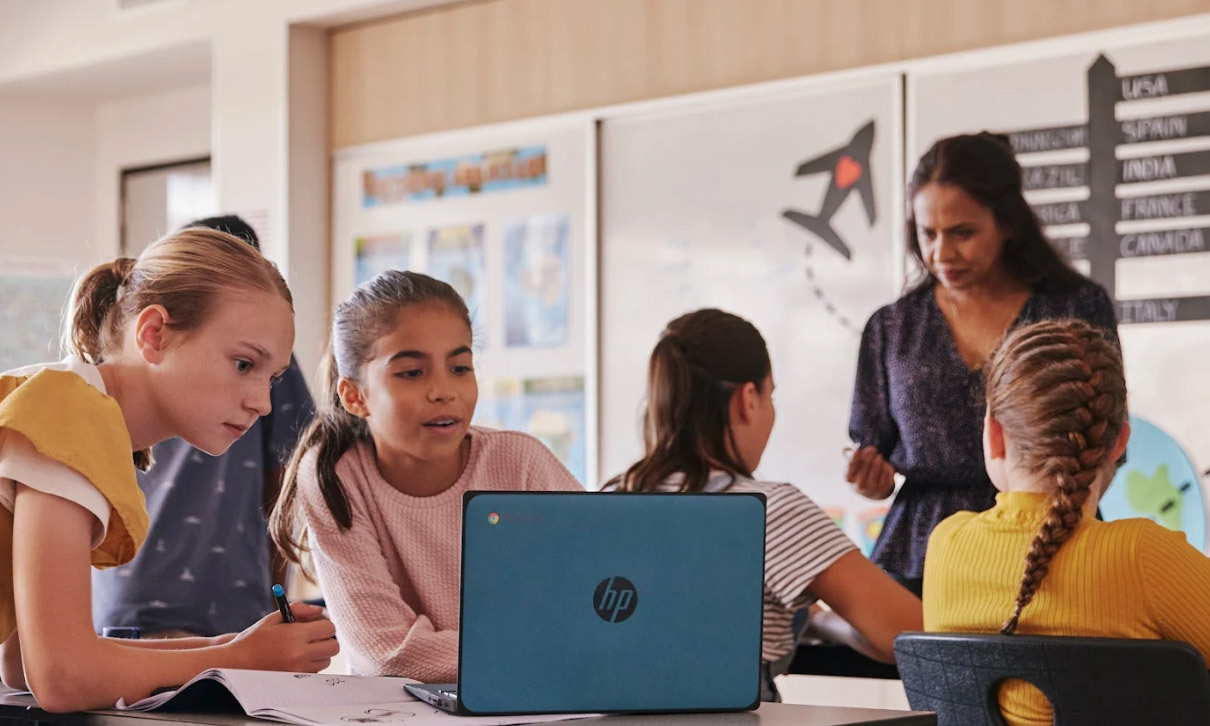
Forging a Technology Vision for Your District
Dr. Willis explores the superintendent's role in creating a culture of innovation in the district.

Career Readiness for Every Student
Patrick Fletcher discusses his district's efforts to rethink career readiness to prepare students for a rapidly evolving workforce.

Increasing Graduation Rates and Forging Pathways to Success
Dr. Shepherd reflects on how to change paradigms and pathways for "student success".
Enabling Student Voice and Choice
Dr. Rouse offers advice around empowering students to take greater ownership of their education experience.
Meeting Registration


Topic
Getting "Education Innovation" Right: Philosophy and Practice
Description
SUPERINTENDENT ROUNDTABLE DISCUSSION
What does "education innovation" really mean anymore? Is it new approaches in leadership, pedagogy, technology - or something else entirely?
Join superintendents and HP education leaders to challenge current paradigms and brainstorm ideas to fuel new and lasting changes in your district.
This roundtable will be both conceptual and practical, with discussion about the big questions of education, as well as actionable exercises to help with your day-to-day leadership.
---
This sessios is part of HP's Education Reinveotors, a community for superindendents to connect, discuss shared challenges, and brainstorm solutions. Please look out for invitations to future events in the coming weeks.
By registering for this forum, you agree to share the information with HP, Inc. for marketing purpose. HP respects your privacy. Visit HP's Privacy Statement to learn how HP collects and uses your personal data:
https://ssl.www8.hp.com/us/en/privacy/privacy.html
Time
Feb 25, 2022 11:00 AM in Eastern Time (US and Canada)